1
Measure consistently
Use one unit and record bust, natural waist, high hip, and full hip. Add shoulders when they better represent your upper frame.
Enter four core measurements—and optional shoulder circumference—to find your closest body-shape profile, then get practical outfit ideas for proportion, balance, and personal style.
Stand naturally with the tape level and snug, not tight. Bust, waist, high hip, and full hip are required; shoulders are optional and improve results for broad- or narrow-shouldered frames.
Balanced bust and hips with a defined waist
Support the existing balance and let the natural waist guide garment shape and seam placement.
Outfit formula: Wrap or shaped top + high-rise straight bottom + waist-length layer
These suggestions use clothing to create intentional proportion. Keep what feels useful, adapt it to your style, and ignore anything that does not suit your comfort or life.
The calculator stores measurements in inches internally, compares the bust, waist, high hip, and full hip, then applies apparel-oriented proportion thresholds. If you add shoulders, it uses the larger of shoulder or bust circumference as the upper-body reference—helpful when your shoulders and bust suggest different shapes.
Use one unit and record bust, natural waist, high hip, and full hip. Add shoulders when they better represent your upper frame.
The calculator checks upper-to-lower balance, waist definition, and the high-hip-to-waist ratio without rounding the stored measurements.
Your closest profile is paired with clothing lines, volume, structure, and fit checks—not restrictive rules.
Ask someone to wrap the tape around the widest part of both shoulders and upper back. Keep your arms relaxed.
Wrap the tape around the fullest part of the chest while wearing a well-fitting, unpadded bra or light layer.
Measure the smallest circumference of the torso, usually just above the belly button. Do not pull the stomach in.
Measure around the pelvic area roughly 7 inches or 18 centimeters below the natural waist.
Keep the tape level around the widest part of the hips and buttocks, with feet together and weight even.
This original visual compares where width and visual weight typically sit. The bars show relative proportion—not size, weight, or an ideal body.
Add definition and dimension.
Create length and movement.
Follow the natural lines.
Build balance upward.
Ground the silhouette.
The aim is not to “fix” a body. It is to understand where clothing creates structure, movement, and visual weight so you can make faster, more intentional outfit choices.
The waist is similar to or larger than the bust and hips, so visual weight is concentrated through the center.
Look for: open layers, V-necks, longer hemlines, fluid fabrics, straight or gently tapered bottoms
Bust and hips are close in measurement while the waist is noticeably smaller than both.
Look for: wrap tops, belted dresses, shaped jackets, high-rise bottoms, balanced necklines and hems
The waist is defined and the hips are moderately fuller than the bust, with a smoother high-hip line.
Look for: defined waists, shaped shoulders, fitted knits, A-line skirts, bootcut or wide-leg trousers
The waist is clearly smaller and the bust is moderately fuller than the hips.
Look for: open necklines, simple fitted tops, defined waists, A-line skirts, wide or straight-leg pants
Hips are fuller than the bust, the waist is defined, and the high hip creates a more pronounced shelf-like curve.
Look for: structured tops, cropped jackets, clean waistbands, A-line dresses, straight or bootcut pants
The hips carry more visual weight than the bust, with less dramatic waist definition than hourglass profiles.
Look for: structured shoulders, statement sleeves, waist-length jackets, fit-and-flare dresses, clean bottoms
The shoulders or bust carry more visual weight than the hips, so the upper silhouette appears broader.
Look for: open necklines, minimal shoulder detail, A-line skirts, wide-leg trousers, lower-body texture
Bust and hips are similar while the waist remains relatively close to both measurements.
Look for: belts, wrap silhouettes, shaped jackets, layered textures, pleats, strategic color blocking
Use this quick shopping guide when you are comparing dress silhouettes, tops, jackets, pants, and skirts. The best choice still depends on fabric, fit, height, and the look you want to create.
A label is only a reference. Choose the size that lets seams, closures, and fabric sit correctly on your body.
Drape, stretch, weight, and structure can make the same silhouette behave completely differently.
Small sleeve, hem, waist, or seat adjustments can make an ordinary garment look intentional and custom.
The best outfit supports your movement, lifestyle, sensory preferences, and personal expression.
Start by identifying your dominant proportions, then choose clothing that places structure, volume, and emphasis where you want it. Use the calculator result as a starting point, not a rulebook.
Measure your bust, natural waist, high hip, and fullest hip using the same unit. You can also add shoulder circumference when your shoulders are noticeably broader or narrower than your bust. The tool returns the closest apparel-oriented shape profile.
Common fashion categories include round or apple, rectangle, hourglass, bottom hourglass, top hourglass, spoon, triangle or pear, and inverted triangle. People often sit between categories.
Yes. Body-shape categories simplify a wide range of proportions. If two profiles sound accurate, use the one that best explains where garments pull or feel unbalanced, then borrow ideas from the other.
Yes. Bone structure is relatively stable, but muscle, hormones, pregnancy, age, and weight distribution can change proportion and the way clothing fits. Remeasure when your usual silhouettes stop working as expected.
The terms are usually used interchangeably in fashion. Both describe horizontal proportion across the upper body, waist, and hips—not clothing size, weight, attractiveness, or health.
Height affects vertical proportion, while body shape describes horizontal balance. A petite and a tall person can share the same shape but prefer different rises, hemlines, print scales, and garment lengths.
Hourglass proportions often work well with wrap tops, belted dresses, shaped jackets, and balanced volume above and below the waist. The goal is to follow the natural waist rather than hide it.
Try upper-body detail, structured shoulders, waist-length jackets, A-line dresses, and clean straight, bootcut, or wide-leg bottoms. These choices can create balance without hiding the hips.
Open layers, vertical lines, softly structured shoulders, fluid fabrics, and uninterrupted color columns can create length and movement. Prioritize comfort and avoid anything that pinches or creates an unwanted break at the waist.
Belts, wrap silhouettes, shaped jackets, layering, texture, and intentional contrast can add definition and dimension. A straight silhouette can also be emphasized rather than changed if that suits your style.
Yes. Shoulders can be a better upper-body reference for people with a smaller bust or broader frame. Add the optional shoulder circumference and the calculator will compare the larger of shoulders or bust with your hips.
A-line, fit-and-flare, structured wrap, and waist-defined dresses often create an easy transition from the upper body through the hips. Check that the waist fits cleanly and the skirt has enough room to move.
Try clean V or scoop necklines, softer upper-body fabrics, A-line skirts, wide-leg trousers, and details below the waist. These choices ground the silhouette without trying to hide the shoulders.
The proportion principles do not change with age, but lifestyle, comfort, fabric, and fit may. Choose modern silhouettes that support your current body and routine instead of relying on rules tied to age or a past size.
Body type describes horizontal proportion; petite or tall sizing affects vertical proportion. Adjust rises, hemlines, jacket lengths, and print scale while keeping the same balance strategy for your shape.
Start with repeatable outfit formulas that suit your proportions: one reliable jacket length, two flattering bottom shapes, a few compatible necklines, and a dress silhouette. Keep the palette coordinated so the pieces combine easily.
No. Fit, fabric, comfort, lifestyle, and personal taste matter as much as proportion. These recommendations explain how visual balance works so you can choose when to use it—or deliberately ignore it.
Useful tools selected for this workflow
Calculate your one rep max based on your weight and reps. Perfect for calculating your one rep max based on your weight and reps.
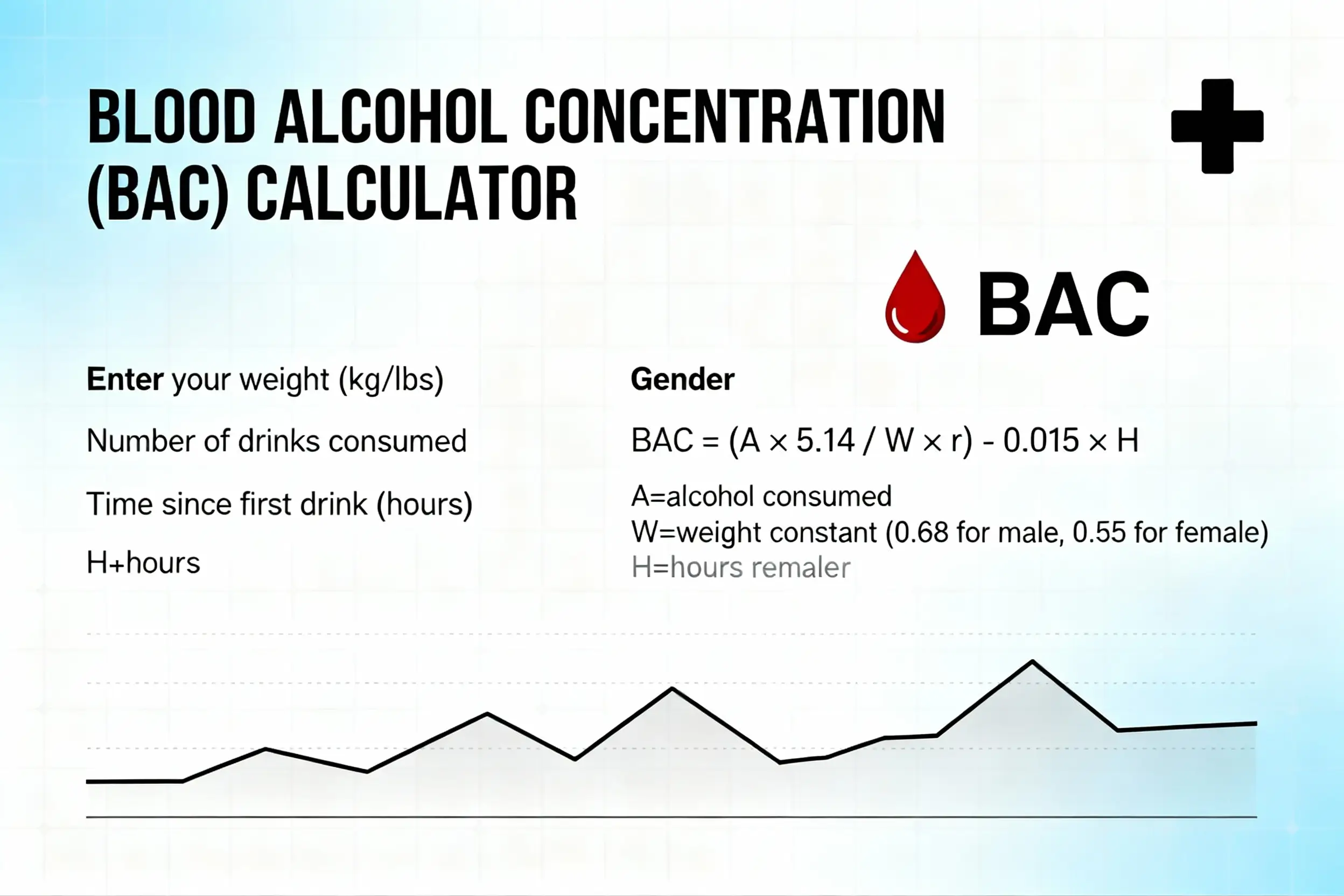
Calculate your BAC (Blood Alcohol Concentration) based on your weight, gender, and the amount of alcohol you've consumed.
Calculate your PFT score based on your age and gender.
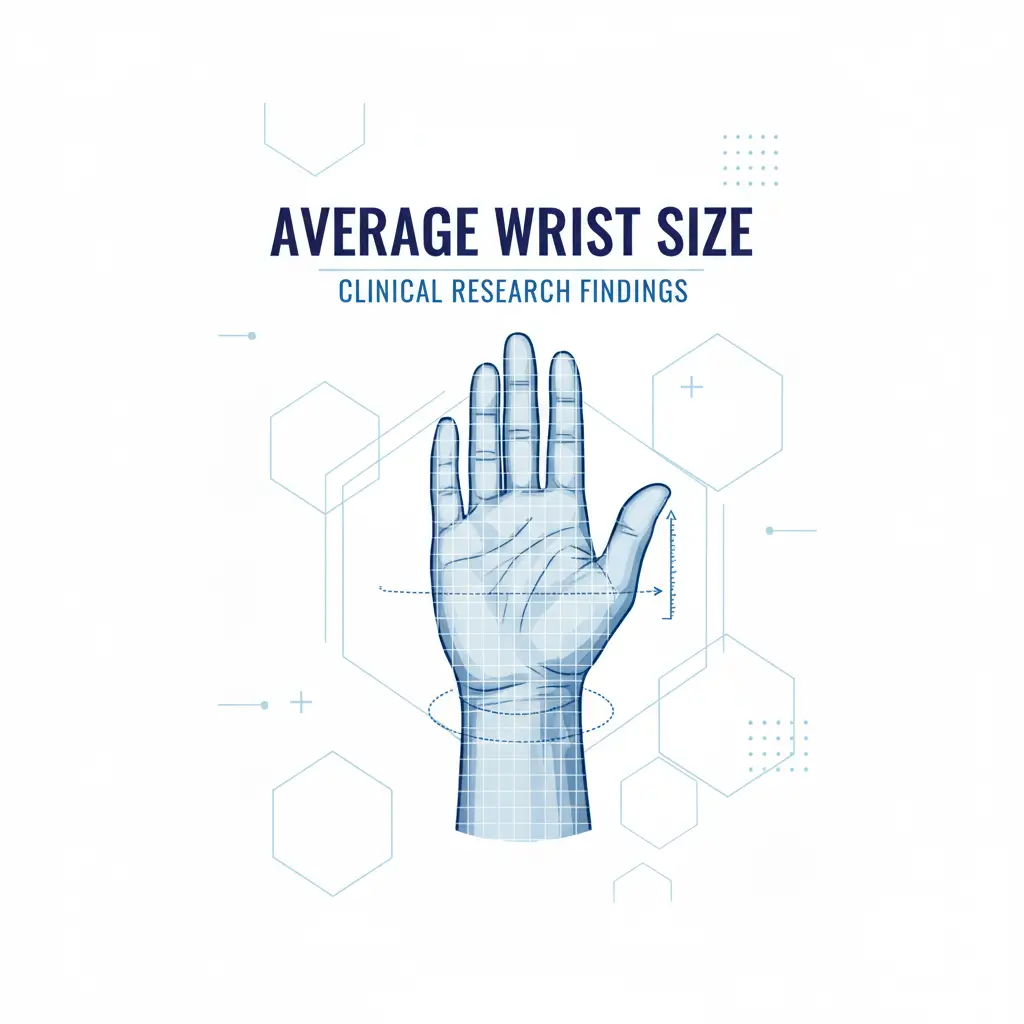
Calculate your wrist size and get recommendations for smartwatches, fitness trackers, and jewelry. Compare with average sizes and find the perfect fit for wearable devices.
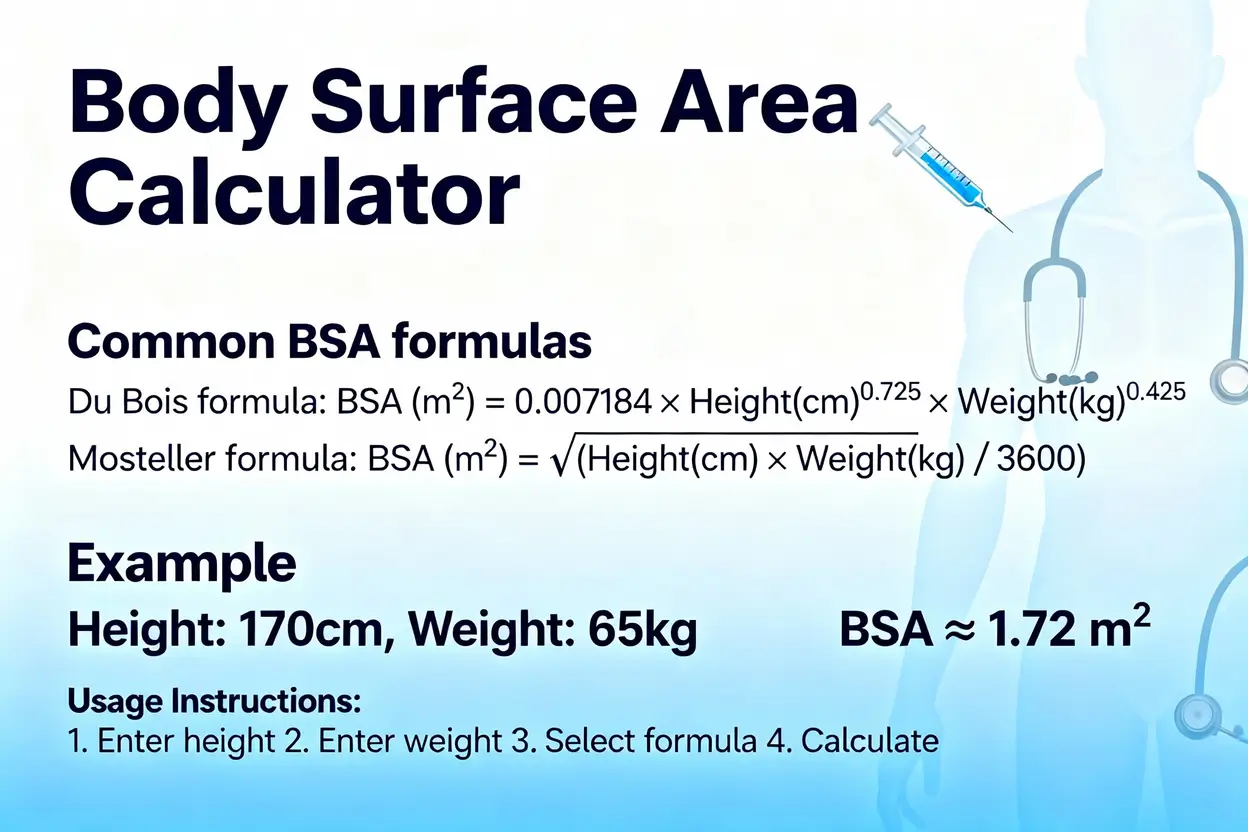
Calculate your body surface area. Perfect for calculating your body surface area.
Calculate your perfect bra size with international sizing support. Get accurate measurements in US, UK, EU, and AU sizes with our free bra fit calculator.
Transparency & trust
Style suggestions are generated from relative body measurements and general clothing-fit heuristics.
Reviewed by Jack Tao
Technical methodology reviewer
Full-stack developer with 10+ years of software engineering experience
This review checks implementation, formulas, units, edge cases, and alignment with the cited material. It does not represent independent medical or financial advice.
Important limitation
For educational information only. This estimate is not medical advice, a diagnosis, or a substitute for care from a qualified health professional.
Body-shape labels are descriptive styling aids, not health categories or objective standards of appearance.