
💖 Ovulation Calculator
Calculate your most probable ovulation date and fertile window based on your last menstrual period. This calculator should not be used as a form of birth control.
✨ Ovulation & Fertility Calculator
🔬 Understanding Ovulation & Conception
Ovulation is the process by which ovarian follicles rupture and release one or more mature eggs from the ovaries. On average, ovulation occurs within the 4 days before or after the midpoint of a woman's menstrual cycle (14 days before the start of the next menstrual period).
🌸 Fertile Window
Day 10-18 of the menstrual cycle (on average) is the most fertile phase. This is important when trying to conceive because:
- Fertilization can only occur for 12-24 hours after egg release
- Sperm can survive inside a woman's body for up to 5 days
- Regular sex 5 days before and on ovulation day improves conception chances
🌺 After Ovulation
- If fertilized, the egg implants in the uterus 6-12 days later
- Otherwise, menstruation occurs
- Blood and mucosal tissue from the inner lining of the uterus is expelled
- The cycle then begins again
📊 Methods for Predicting Ovulation
1. Tracking Menstrual Cycles
This calculator uses the method of tracking menstrual cycles to predict when ovulation occurs. Since day 10-18 of the menstrual cycle is typically the most fertile phase, women with regular cycles can fairly easily determine when they are ovulating. The first day of the menstrual cycle is the day that bleeding starts, and it ends the day that bleeding starts again. Maintaining a menstrual calendar can help determine how regular your periods are.
2. Tracking Basal Body Temperatures
Basal body temperature (BBT) is measured using a special thermometer when you first wake up in the morning. BBT is generally at the lowest level right before ovulation occurs and starts rising by about ½ a degree a day during ovulation. Tracking BBT over a few months can help determine when you are ovulating. However, factors like having a cold or infection can affect BBT.
3. Ovulation Predictor Kits
Over-the-counter ovulation tests detect a surge in specific hormones (typically luteinizing hormone, LH) that precede ovulation by 24-48 hours. While these tests are 99% accurate in detecting the hormones, they cannot guarantee when exactly ovulation will occur within the two-day period. There are also kits that test changes in estrogen levels in saliva or salts in sweat, which can predict ovulation earlier than LH tests.
❓ Frequently Asked Questions
This calculator provides estimates based on average cycle patterns. Individual cycles can vary significantly, and factors like stress, illness, and lifestyle changes can affect ovulation timing. For the most accurate results, combine this method with other tracking methods like basal body temperature or ovulation predictor kits.
No. This calculator should not be used as a form of birth control. The calendar method (rhythm method) is not reliable for preventing pregnancy, as cycles can vary and ovulation can occur at different times. Always use proper contraception if you want to prevent pregnancy.
If your cycles are irregular, this calculator may be less accurate. Consider tracking your cycles for several months to determine your average cycle length. You may also want to use additional methods like ovulation predictor kits or basal body temperature tracking for more accurate predictions.
The fertile window typically lasts about 6 days: the 5 days before ovulation and the day of ovulation itself. This is because sperm can survive in the female reproductive tract for up to 5 days, and the egg can be fertilized for about 12-24 hours after release.
For the best chance of conception, have regular sex (every 1-2 days) during your fertile window, which typically spans from 5 days before ovulation through the day of ovulation. Having sex every other day during this window ensures that healthy sperm are present when the egg is released.
While it's rare, some women can release multiple eggs during a single cycle, which can result in fraternal twins if both are fertilized. However, ovulation typically occurs only once per cycle, and the fertile window is the same regardless of how many eggs are released.
Related Tools
You might also find these useful

One Rep Max Calculator
Calculate your one rep max based on your weight and reps. Perfect for calculating your one rep max based on your weight and reps.

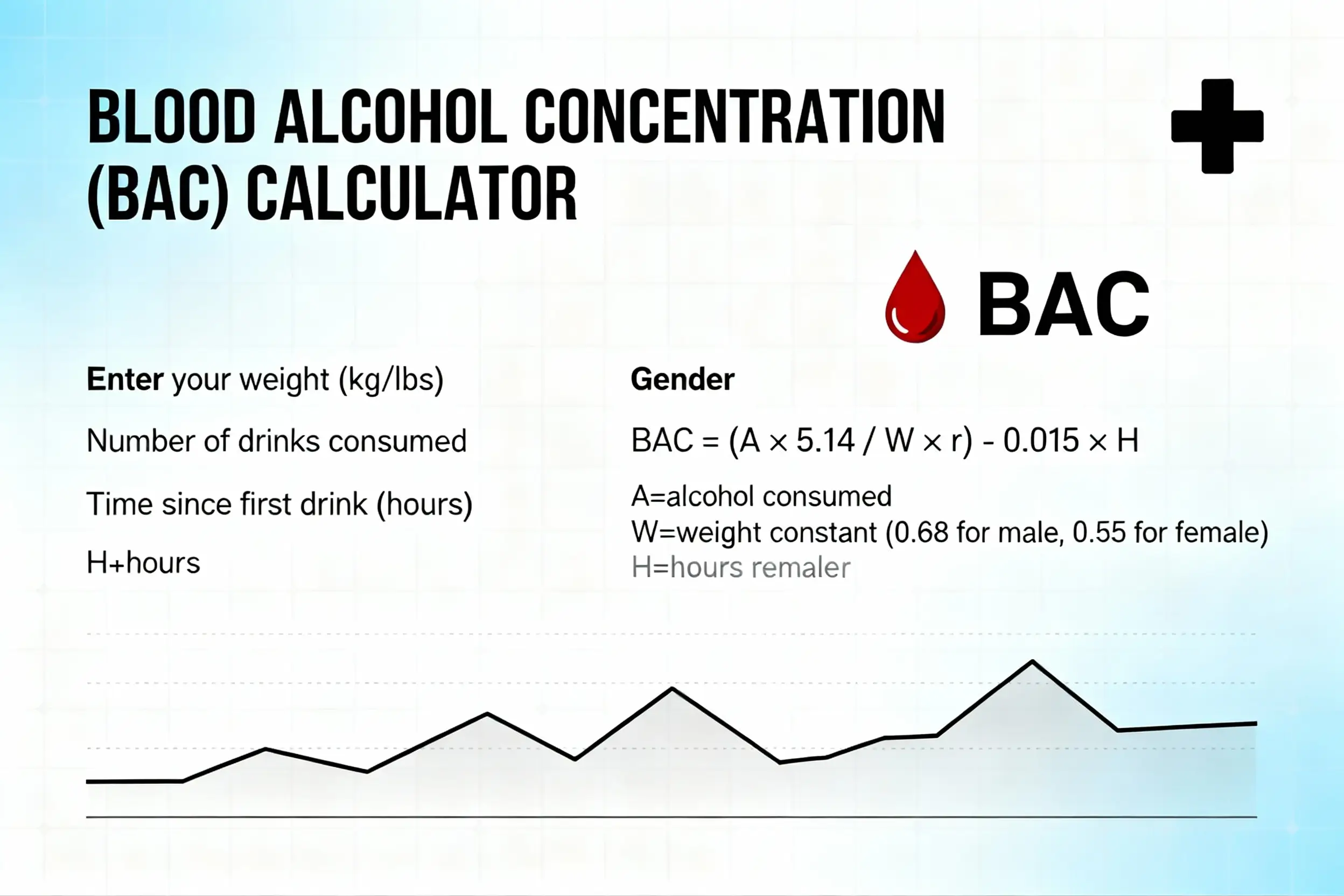
BAC Calculator
Calculate your BAC (Blood Alcohol Concentration) based on your weight, gender, and the amount of alcohol you've consumed.

Concrete Calculator
Calculate the volume of concrete needed for your project. Perfect for calculating the volume of concrete needed for your project.

Tire Size Calculator
Calculate tire dimensions, compare tire sizes, and understand tire codes. Free online tire size calculator with diameter, circumference, and speedometer calibration.

BTU Calculator
Calculate BTU requirements for heating and cooling. Estimate AC BTU needs for rooms and houses based on size, insulation, climate, and other factors.

Credit Card Calculator
Calculate credit card payoff time, monthly payments, and total interest. Plan your debt-free journey with our free calculator.